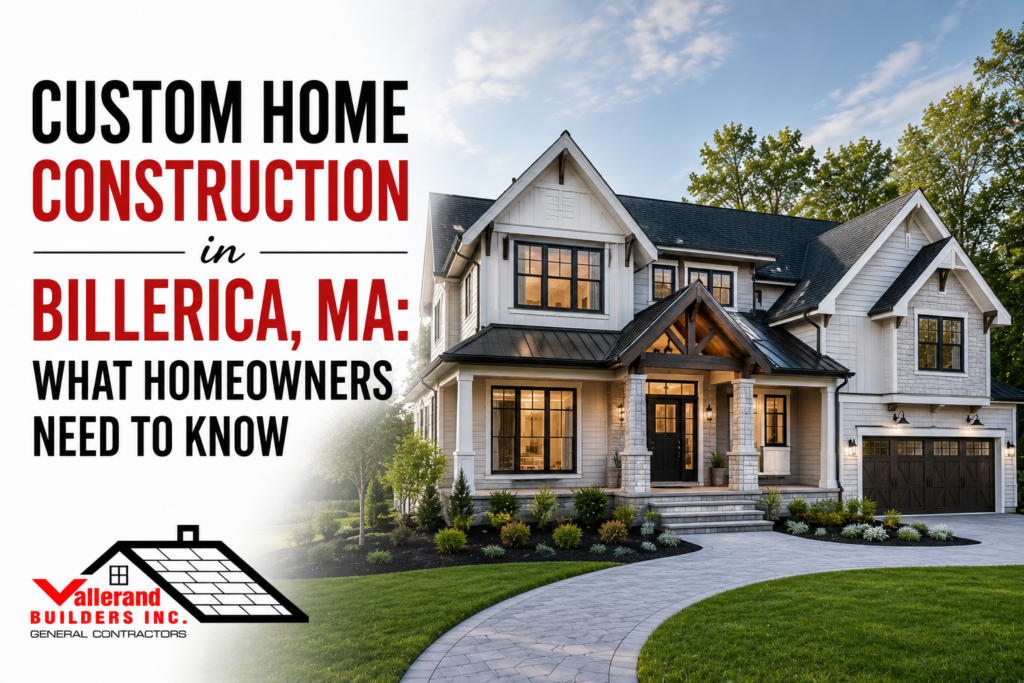

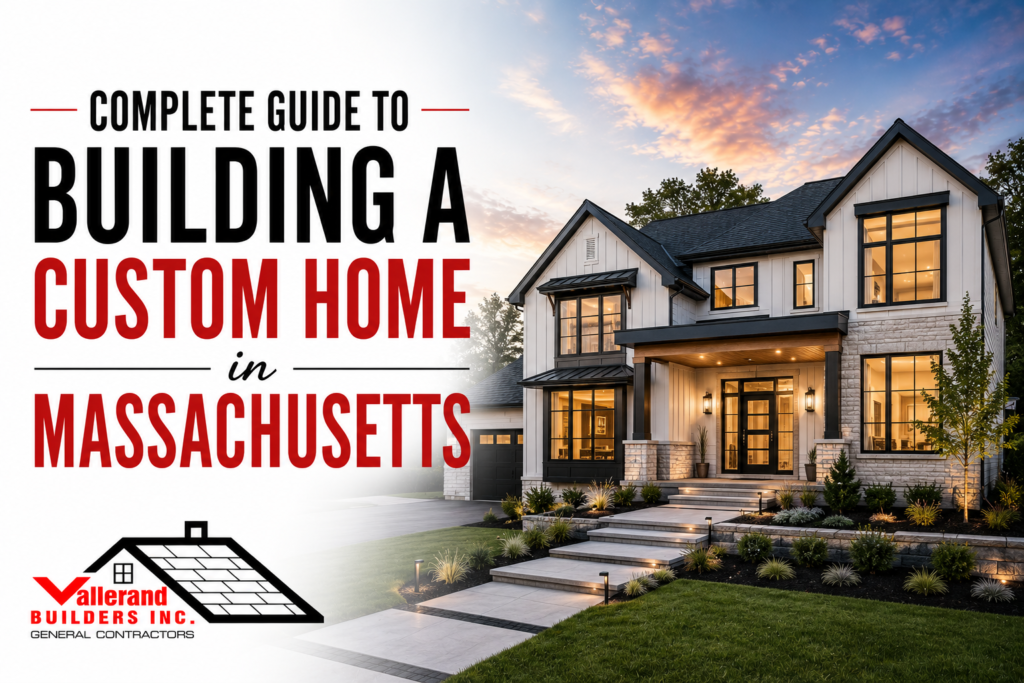
Building a custom home in Massachusetts is an exciting opportunity to create a residence that fits your lifestyle, family needs, property, design preferences, and long-term goals. Instead of purchasing an existing home and adjusting to someone else’s layout, custom home construction services gives you the freedom to plan the home around how you actually live. From the number of bedrooms and bathrooms to the kitchen layout, storage, home office space, energy efficiency, outdoor areas, and future accessibility, every major decision can be made with purpose.
Massachusetts is a unique place to build a custom home because the state offers a wide variety of residential settings. Homeowners may build near Boston, in suburban Middlesex County communities, along the North Shore or South Shore, in Central Massachusetts, in Western Massachusetts, on Cape Cod, or in smaller towns with more land and privacy. Each location comes with its own opportunities, property conditions, zoning rules, utility considerations, environmental requirements, and local approval processes.
A successful custom home project requires more than a good design. Homeowners must understand land selection, site conditions, local zoning, building permits, Massachusetts building codes, energy requirements, septic or sewer access, wetlands rules, construction budgeting, builder selection, design planning, material choices, inspections, and long-term maintenance. The more prepared you are before construction begins, the smoother the process can be.
This complete guide explains what homeowners need to know before building a custom home in Massachusetts.
Why Build a Custom Home in Massachusetts?
Massachusetts has a strong housing market, historic communities, desirable school districts, access to major employers, healthcare centers, universities, coastal areas, rural properties, and established neighborhoods. For many homeowners, building a custom home is a way to stay in the region they love while creating a property that better fits modern living.
Many existing homes in Massachusetts were built decades ago. While older homes may have character, they often come with limitations such as small kitchens, closed-off rooms, limited storage, older mechanical systems, outdated insulation, narrow stairways, low ceilings, small garages, and layouts that do not support remote work or modern family routines. Renovating can help, but in some cases, building a custom home is a better long-term solution.
A custom home allows you to start fresh. You can design the home around your property, your lifestyle, your budget, and your future.
Benefits of Building a Custom Home
Building a custom home gives homeowners control over many important details. You can choose a floor plan that fits your daily routine, create more functional storage, improve energy performance, plan for aging in place, include modern technology, and select materials that match your style.
A custom home can also reduce the need for major renovations after move-in. Instead of buying an existing home and spending years updating the kitchen, bathrooms, windows, insulation, HVAC, flooring, and layout, you can make those decisions during the construction process.
When Custom Home Construction Makes Sense
Custom home construction may be the right choice if you cannot find an existing home that fits your needs, own land and want to build on it, want to replace an older home, need a layout designed for your family, want better energy efficiency, or plan to stay in the home long term.
It may also make sense if you want specific features such as a first-floor primary suite, two home offices, a large mudroom, a finished basement, an open kitchen, a three-car garage, an in-law suite, a screened porch, or a home designed for future accessibility.
Step 1: Choose the Right Location in Massachusetts
Location is one of the most important decisions in custom home construction. The town, neighborhood, lot, school district, commute, utilities, zoning, and surrounding properties will all affect your home-building experience.
Massachusetts has a wide range of building environments. A custom home in a dense Greater Boston suburb will involve different planning considerations than a home in a rural town, coastal community, or wooded lot in Central Massachusetts.
Consider Your Daily Lifestyle
Before choosing land, think carefully about your daily routine. Consider where you work, how often you commute, whether you need access to public transportation, how close you want to be to schools, how often you visit family, and which local amenities matter most.
Some homeowners want a quiet residential street with privacy. Others want quick access to highways, commuter rail, downtown areas, shopping, restaurants, or medical facilities. Your location should support your lifestyle, not just your home design.
Research the Town and Neighborhood
Every Massachusetts town has its own character, zoning rules, permitting process, tax rates, school system, development patterns, and property conditions. Before buying land or planning a custom home, research the community carefully.
Look at nearby homes, road access, lot sizes, future development potential, local services, public utilities, drainage patterns, traffic, and neighborhood appearance. A custom home should fit both your lifestyle and the area around it.
Think About Long-Term Value
A custom home is usually a long-term investment. Location can influence future resale appeal, daily convenience, and property value. A well-designed home in a desirable location may remain attractive to future buyers because it offers modern layout, strong function, energy efficiency, and quality construction.
Step 2: Evaluate the Land Before You Build
The land itself can affect almost every part of the custom home construction process. Even a beautiful lot may come with challenges that influence design, budget, permitting, and construction timeline.
Before purchasing land or finalizing plans, homeowners should complete a careful site evaluation. This may involve a builder, architect, engineer, surveyor, septic designer, wetlands specialist, or other professionals depending on the property.
Lot Size and Shape
Lot size and shape affect what kind of home can be built. A wide lot may allow for a broader home, side-entry garage, larger backyard, or more outdoor living space. A narrow lot may require a more compact footprint and careful placement of windows, entries, and garage doors.
The shape of the lot also matters. Irregular lots may have limited buildable area, unusual setback requirements, or design constraints. Homeowners should not assume that a large lot automatically allows for a large home.
Setbacks and Buildable Area
Setbacks determine how far the home must be from property lines, roads, wetlands, and other regulated areas. These requirements can reduce the actual buildable area of the lot.
Before designing a custom home, confirm where the home can legally sit on the property. This affects the foundation, driveway, garage placement, outdoor living areas, drainage, and future expansion options.
Soil, Slope, and Drainage
Soil conditions affect foundation design, excavation, drainage, septic planning, and construction cost. A sloped lot may offer opportunities for a walkout basement, scenic views, or a more interesting design, but it may also require additional grading, retaining walls, drainage systems, or foundation work.
Drainage is especially important in Massachusetts because homes must handle rain, snowmelt, freeze-thaw cycles, and seasonal moisture. Poor drainage can lead to basement water issues, foundation concerns, driveway damage, and landscape erosion.
Utilities and Access
A buildable lot must have practical access to necessary utilities. Depending on the location, this may include public water, public sewer, private well, septic system, gas, electric, internet, and stormwater management.
In some areas, utility connections can be straightforward. In others, extending services to the property can add significant cost. Homeowners should understand utility availability before committing to a lot.
Step 3: Understand Zoning, Permits, and Local Approval Requirements
Building a custom home in Massachusetts requires compliance with local zoning, building codes, inspections, and permitting requirements. Each town or city has its own process, so homeowners should work with professionals who understand local rules.
Permitting should be considered early in the project. Waiting until after the design is complete can lead to delays, redesigns, or added costs if the home does not meet local requirements.
Zoning Review
Zoning affects how land can be used and what can be built. It may regulate setbacks, lot coverage, building height, frontage, accessory structures, parking, driveway placement, and other property details.
Before beginning design, confirm the zoning district and applicable requirements. This is especially important for nonconforming lots, tear-down and rebuild projects, properties near wetlands, corner lots, older neighborhoods, and lots with unusual dimensions.
Building Permits
A new custom home generally requires a building permit before construction begins. Additional permits may be required for demolition, electrical work, plumbing, gas, mechanical systems, septic systems, driveway work, utility connections, and other project components.
Permit applications may require construction drawings, site plans, energy code documentation, structural details, contractor information, and other supporting documents. A qualified custom home builder should help coordinate the permitting process and explain what is required.
Inspections
Inspections are required at different stages of construction. These may include foundation, framing, electrical, plumbing, HVAC, insulation, energy code compliance, and final occupancy inspections.
Inspections help confirm that the home is being built according to approved plans and applicable codes. A professional builder should manage inspection scheduling and address any required corrections.
Step 4: Review Massachusetts Energy Code Requirements
Energy efficiency is a major consideration when building a custom home in Massachusetts. The state has energy code requirements that affect insulation, air sealing, windows, HVAC systems, ventilation, lighting, and overall building performance.
In addition to the base energy code, some municipalities follow stretch code or specialized stretch code requirements. This means energy compliance may vary depending on where you build.
Why Energy Planning Matters
Energy planning should happen early because it affects design, systems, materials, and construction details. A home that is planned for energy performance from the beginning can be more comfortable, efficient, and durable.
This may include better insulation, high-performance windows, air sealing, efficient heating and cooling, heat pumps, smart controls, balanced ventilation, solar readiness, and careful orientation for natural light.
Base Code, Stretch Code, and Specialized Code
Massachusetts communities may follow different energy code pathways. Some towns follow the base code, while others have adopted the stretch code or specialized stretch code. These requirements can influence HVAC choices, building envelope performance, electrification readiness, and other design decisions.
Homeowners should ask their builder or architect which energy code applies in the town where they plan to build. This should be confirmed before the design is finalized.
Comfort and Long-Term Performance
Energy efficiency is not only about meeting code. It also affects comfort. A well-insulated and well-sealed home can reduce drafts, improve temperature consistency, support better indoor air quality, and help heating and cooling systems work more effectively.
In Massachusetts, where homes must perform through cold winters and warm summers, energy-conscious construction is a smart long-term priority.
Step 5: Plan for Septic, Sewer, Water, and Environmental Requirements
Utility and environmental requirements can have a major impact on custom home construction in Massachusetts. Some properties connect to public sewer and water, while others require a private septic system and well.
Homeowners should understand these requirements before buying land or finalizing construction plans.
Septic Systems and Title 5
If the property is not connected to public sewer, it may require a septic system. Massachusetts septic systems must follow Title 5 requirements. The septic design must consider soil conditions, groundwater, property size, number of bedrooms, setbacks, and environmental protection.
A septic system can affect where the home, driveway, well, landscaping, and outdoor features can be placed. For this reason, septic planning should happen early.
Public Sewer and Water Connections
If public sewer and water are available, homeowners still need to understand connection requirements, fees, capacity, location of existing lines, and any excavation needed to connect the home.
Utility connections can affect the project budget and schedule. A builder should help identify what work is needed before construction begins.
Wetlands and Conservation Review
Many Massachusetts properties have wetlands, buffer zones, floodplain considerations, streams, ponds, or other protected resource areas. Work near these areas may require review by a local Conservation Commission and may need additional approvals.
This can affect clearing, grading, driveway placement, foundation location, drainage, landscaping, and construction access. If a property may be near wetlands, homeowners should investigate early before finalizing the design.
Step 6: Set a Realistic Custom Home Budget
Budgeting is one of the most important parts of building a custom home in Massachusetts. A custom home budget should include more than the cost of the house itself.
The total budget may include land, design fees, engineering, surveys, permits, site work, excavation, foundation, utilities, septic or sewer work, framing, roofing, windows, siding, insulation, mechanical systems, electrical, plumbing, drywall, flooring, cabinets, countertops, tile, fixtures, appliances, landscaping, driveway, walkways, decks, patios, and contingency funds.
Understand Hard Costs and Soft Costs
Hard costs are the direct construction costs, such as labor, materials, site work, foundation, framing, roofing, windows, mechanical systems, and finishes.
Soft costs may include architecture, engineering, surveying, permitting, legal fees, financing costs, insurance, testing, and consulting. These costs can be significant and should be included in the early budget.
Site Work Can Change the Budget
Site work is one of the most variable parts of a custom home budget. Clearing trees, demolition, excavation, drainage, grading, retaining walls, utility connections, septic systems, and driveway work can all affect cost.
A flat, open lot with utilities nearby may be much simpler to prepare than a wooded, sloped, or environmentally sensitive lot. Homeowners should evaluate site work before assuming what the total project will cost.
Design Complexity Affects Cost
A simple home design is usually more efficient to build than a highly complex design with many rooflines, corners, structural details, specialty windows, and custom features.
This does not mean homeowners should avoid unique design. It means design decisions should be made with budget awareness. A skilled builder and architect can help balance appearance, function, and construction efficiency.
Allowances and Finish Selections
Many custom home budgets include allowances for items such as cabinetry, countertops, appliances, lighting, plumbing fixtures, flooring, tile, and hardware. Allowances are estimated amounts assigned to certain categories before final selections are made.
Homeowners should make sure allowances are realistic. If the allowance is too low for the quality level you expect, the final cost may increase when selections are made.
Keep a Contingency Fund
Every custom home project should include a contingency fund. Even with careful planning, unexpected issues can happen. Site conditions, material changes, weather delays, design adjustments, or permitting requirements may affect the final cost.
A contingency fund helps homeowners manage these issues without disrupting the entire project.
Step 7: Choose the Right Custom Home Builder
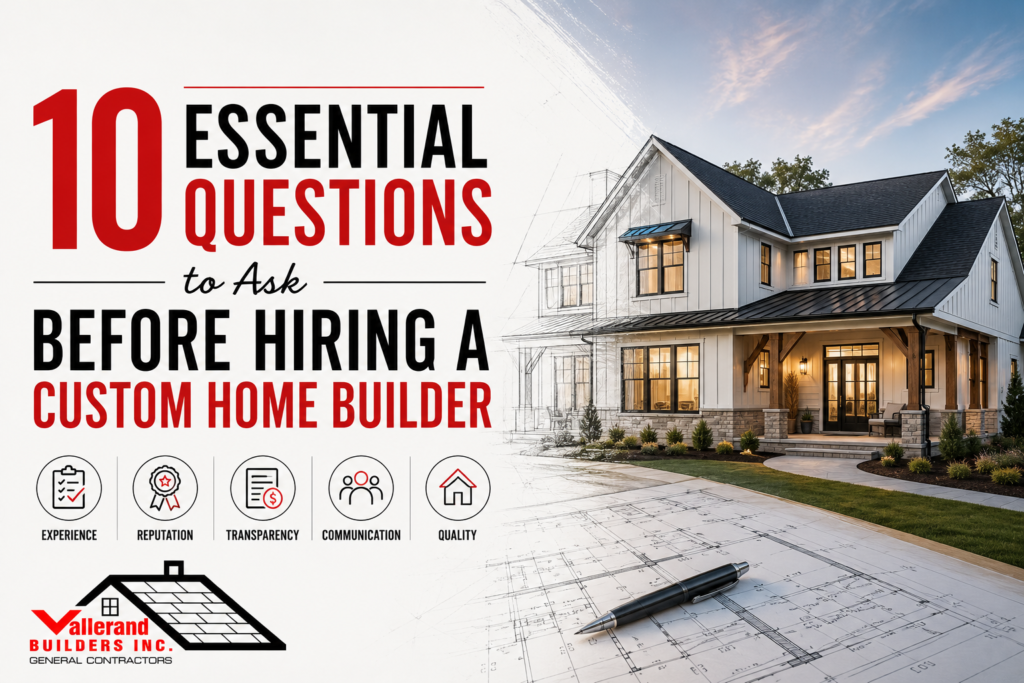
The builder you choose will have a major impact on the success of your project. A custom home builder is responsible for coordinating the construction process, managing subcontractors, communicating with homeowners, scheduling inspections, maintaining quality, and helping keep the project aligned with budget and timeline expectations.
Homeowners should take time to compare builders carefully.
Check Experience With Custom Homes
Not every contractor is experienced in custom home construction. Some may focus on remodeling, additions, or smaller projects. Others may specialize in new homes, luxury homes, tear-down rebuilds, or design-build projects.
Ask how many custom homes the builder has completed, whether they have worked in your town, and whether they have experience with projects similar to yours.
Verify Licensing and Registration
In Massachusetts, homeowners should verify that the builder or responsible party has the proper credentials for the work being performed. This may include a Construction Supervisor License and, for certain residential work, Home Improvement Contractor registration.
Homeowners should also ask for proof of insurance, including general liability and workers’ compensation coverage.
Review Past Projects and References
Ask to see completed homes, project photos, testimonials, and references. When speaking with past clients, ask whether the builder communicated clearly, stayed organized, handled problems professionally, respected the budget, and delivered quality work.
A builder’s past work can reveal a lot about their craftsmanship, process, and reliability.
Understand the Builder’s Process
Ask how the builder manages planning, budgeting, design coordination, permits, selections, scheduling, subcontractors, inspections, change orders, and warranty service.
A builder with a clear process can help reduce confusion and keep the project moving more smoothly.
Step 8: Design a Home That Fits Your Lifestyle
The design phase is where your vision begins to take shape. A custom home should be designed around how you live, not just how you want the home to look.
Before focusing on finishes, think about function. Consider your family routines, work habits, storage needs, entertaining style, outdoor lifestyle, privacy preferences, and future plans.
Kitchen and Main Living Areas
The kitchen is often the center of a custom home. Many homeowners want a large island, open connection to dining and living areas, walk-in pantry, durable countertops, high-quality appliances, and strong lighting.
The main living areas should be planned for comfort and flow. Consider how people will move through the space, where furniture will go, how natural light enters the room, and how the space will feel during daily use.
Bedrooms and Bathrooms
Bedroom placement affects privacy, convenience, and future flexibility. Some homeowners prefer all bedrooms on the second floor. Others want a first-floor primary suite or guest room.
Bathrooms should be designed for comfort, durability, storage, and ventilation. A custom home gives you the ability to plan layouts that work better than many older homes.
Home Offices and Flexible Rooms
Remote and hybrid work have made home offices essential for many homeowners. A custom home can include a dedicated office with privacy, natural light, storage, sound control, and strong internet connectivity.
Flexible rooms are also valuable. A room can serve as a playroom, guest room, study, gym, craft room, or media room as family needs change.
Mudrooms, Laundry, and Storage
Massachusetts homes benefit from practical entry and storage areas. A mudroom near the garage or side entrance can help manage coats, shoes, boots, backpacks, sports gear, and winter items.
Laundry rooms, walk-in closets, pantries, basement storage, garage storage, and built-ins can make the home easier to live in every day.
Aging-in-Place and Future Accessibility
Even if you do not need accessibility features now, it may be wise to plan for future needs. Wider hallways, first-floor bedroom options, curbless showers, fewer steps, and flexible room layouts can make the home more practical over time.
Step 9: Select Durable Materials for Massachusetts Weather
Massachusetts homes must handle snow, ice, rain, wind, humidity, heat, and freeze-thaw cycles. Material selection should consider both appearance and long-term performance.
Exterior Materials
Roofing, siding, windows, trim, gutters, flashing, doors, and exterior finishes should be chosen for durability and weather resistance. Proper installation is just as important as material quality.
Moisture management is especially important. Poor flashing, drainage, or ventilation can lead to long-term damage.
Interior Materials
Interior materials should match your lifestyle. Families with children or pets may prioritize durable flooring, easy-to-clean surfaces, and stain-resistant finishes. Homeowners who entertain often may want higher-end kitchen materials, custom cabinetry, and statement lighting.
The best selections balance beauty, function, maintenance, and budget.
Windows and Doors
Windows and doors affect energy efficiency, comfort, natural light, security, and appearance. In Massachusetts, high-performance windows can help reduce drafts and improve comfort during winter.
Placement should be planned carefully to capture light, protect privacy, frame views, and support furniture layouts.
Step 10: Understand the Construction Timeline
Custom home construction takes time. The timeline includes planning, design, budgeting, permitting, site preparation, foundation, framing, roofing, mechanical systems, insulation, drywall, interior finishes, exterior work, inspections, and final completion.
The exact timeline depends on the size of the home, complexity of the design, site conditions, permitting process, weather, labor availability, material lead times, and homeowner decisions.
Pre-Construction Phase
The pre-construction phase may include land evaluation, surveys, design, engineering, budgeting, permit applications, selections, and scheduling. This phase is critical because it sets the foundation for the entire project.
Rushing pre-construction can lead to mistakes later. It is better to resolve design, budget, and permitting issues before construction begins.
Construction Phase
The construction phase usually begins with site preparation and foundation work. After that, the home moves through framing, roofing, windows, rough mechanicals, insulation, drywall, finishes, exterior work, and final inspections.
Homeowners should expect regular communication from the builder throughout this process.
Final Walkthrough and Completion
Before move-in, the builder and homeowner should complete a final walkthrough. This is the time to review finishes, systems, fixtures, paint, cabinetry, doors, windows, flooring, and any remaining punch-list items.
Homeowners should also receive information about warranties, maintenance, equipment manuals, and service procedures.
Common Mistakes to Avoid When Building a Custom Home
Custom home construction can be rewarding, but mistakes can create stress, delays, and added costs. Knowing common problems ahead of time can help homeowners avoid them.
Buying Land Without Proper Review
Do not buy land based only on appearance. A lot may have zoning restrictions, wetlands, septic challenges, utility limitations, drainage problems, or high site work costs.
Always review the property with qualified professionals before committing.
Designing Without a Budget
A beautiful design is not helpful if it is far beyond the budget. Homeowners should discuss budget early with the builder and design team so the home can be planned realistically.
Choosing the Wrong Builder
The lowest estimate is not always the best choice. A low price may exclude important items or rely on unrealistic allowances. Choose a builder based on experience, communication, transparency, quality, and fit.
Making Too Many Changes During Construction
Changes during construction can increase costs and delay the project. Some changes are unavoidable, but many can be prevented with careful planning before work begins.
Ignoring Long-Term Maintenance
A custom home should be designed for long-term comfort and durability. Consider maintenance requirements for roofing, siding, landscaping, mechanical systems, flooring, windows, and exterior materials.
Questions to Ask Before Building a Custom Home in Massachusetts
Before starting your project, ask clear questions that help guide your decisions.
Questions About the Property
Is the lot buildable? What zoning rules apply? Are there wetlands or buffer zones? Is public sewer available? Will the property need a septic system? Are utilities nearby? What site work is required? How will drainage be handled?
Questions About the Design
Does the layout fit your lifestyle? Is there enough storage? Will the home support future needs? Does the design work with the lot? Are energy requirements considered? Can the design be built within budget?
Questions About the Builder
Is the builder licensed and insured? Do they have custom home experience? Have they built in your town? Can they provide references? How do they handle permits, selections, change orders, scheduling, inspections, and warranty work?
Questions About the Budget
What is included in the estimate? What is excluded? Are allowances realistic? Is site work included? How are changes priced? What contingency should you keep? How often will budget updates be provided?
Conclusion
Building a custom home in Massachusetts is a major investment, but it can also be one of the most rewarding decisions a homeowner makes. It gives you the opportunity to create a home that fits your lifestyle, supports your future, performs well in New England weather, and reflects your personal design preferences.
The key to a successful project is preparation. Choose the right location, evaluate the land carefully, understand local permitting and zoning, plan for energy code requirements, create a realistic budget, select a qualified builder, and design the home around the way you truly live.
A custom home should not only look beautiful. It should function well, feel comfortable, use space wisely, and remain practical for years to come. With the right planning and construction team, homeowners can build a custom home in Massachusetts that delivers long-term comfort, value, and confidence.
FAQs About Building a Custom Home in Massachusetts
How long does it take to build a custom home in Massachusetts?
The timeline depends on design complexity, permitting, site conditions, weather, material availability, and construction schedule. Homeowners should plan for both pre-construction and construction, including design, budgeting, permits, site work, inspections, and final completion.
Do I need permits to build a custom home in Massachusetts?
Yes, new home construction generally requires permits and inspections. Additional permits may be needed for demolition, electrical, plumbing, gas, mechanical systems, septic, sewer, driveway, or environmental work depending on the project and town.
Is it better to build a custom home or renovate an existing home?
It depends on the condition of the existing home and your goals. Renovation may work if the structure and layout are suitable. Building a custom home may be better if the existing home has major limitations, outdated systems, poor layout, or high renovation costs.
What should I check before buying land in Massachusetts?
Before buying land, review zoning, setbacks, wetlands, utilities, septic or sewer access, soil conditions, drainage, driveway access, and local permitting requirements. It is wise to involve a builder, surveyor, or engineer before purchasing land.
What is Title 5 in Massachusetts?
Title 5 refers to Massachusetts regulations for septic systems. If a property uses a septic system, the system must meet applicable requirements for design, installation, operation, and maintenance. This can affect where and how a custom home can be built.
Do Massachusetts custom homes need to meet energy code requirements?
Yes, new homes must meet applicable energy code requirements. Depending on the town, the project may need to follow the base energy code, stretch code, or specialized stretch code. These requirements can affect insulation, HVAC, windows, ventilation, and overall performance.
How do I choose a custom home builder in Massachusetts?
Choose a builder with custom home experience, proper licensing, insurance, local knowledge, transparent budgeting, strong communication, quality craftsmanship, and reliable references. Ask about their process, permits, timelines, change orders, and warranty support.
Can I build a custom home on a wetland property?
Building near wetlands or protected areas may be possible in some cases, but it requires careful review and may need approval from the local Conservation Commission or other authorities. Homeowners should evaluate wetlands concerns before purchasing land or finalizing plans.
What features are popular in Massachusetts custom homes?
Popular features include open kitchens, large mudrooms, home offices, finished basements, first-floor bedroom options, energy-efficient systems, durable exterior materials, walk-in pantries, outdoor living areas, and flexible rooms.
Why is early planning important for a custom home?
Early planning helps homeowners understand budget, land conditions, design goals, permits, zoning, utilities, energy requirements, and construction feasibility. Strong planning can reduce delays, avoid costly changes, and create a better final result.