
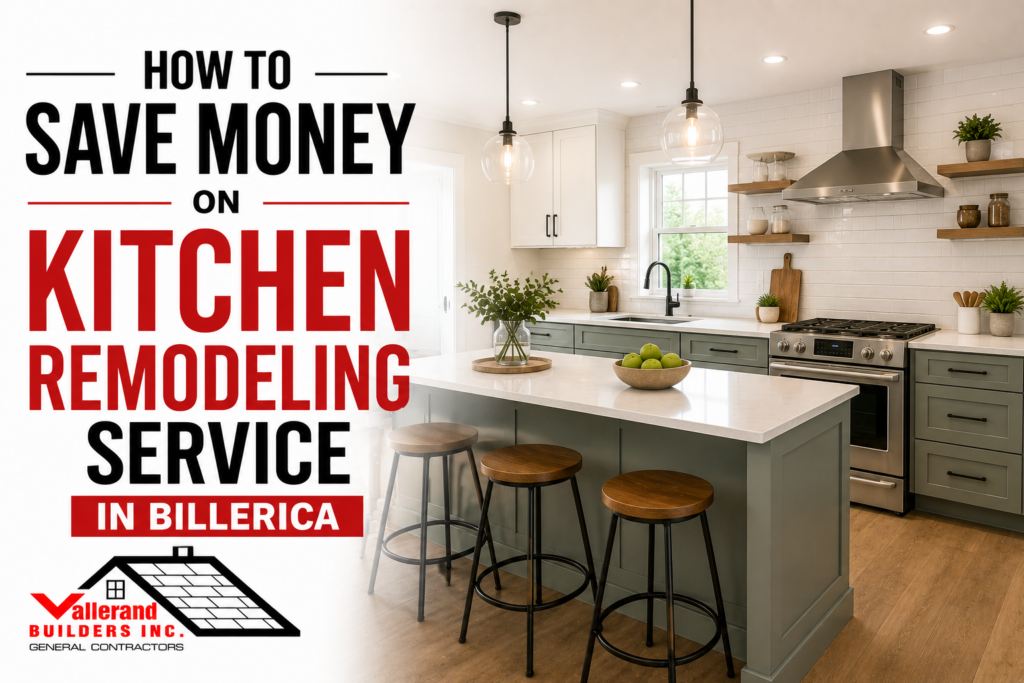
Kitchen remodeling is one of the most valuable home improvement projects, but it can also become expensive if the project is not planned carefully. Cabinets, countertops, flooring, appliances, lighting, plumbing, electrical updates, permits, and labor can all affect the final cost. For homeowners looking for kitchen remodeling service in Billerica, saving money does not mean choosing the cheapest materials or cutting corners. It means making smarter decisions before the work begins.
A cost-effective kitchen remodel should focus on function, durability, layout, and long-term value. The goal is to improve the kitchen without spending money on changes that do not add real benefit. With the right plan, homeowners can control costs, avoid unnecessary upgrades, reduce delays, and still create a kitchen that looks better and works better every day.
Tips to Save Money on Kitchen Remodeling Service in Billerica
Start With a Clear Kitchen Remodeling Budget
Before speaking with contractors or choosing materials, homeowners should create a realistic remodeling budget. A kitchen remodel can include many different expenses, and the total cost can increase quickly when decisions are made without a plan.
A clear budget helps guide every choice. It can show how much should be spent on cabinets, countertops, appliances, flooring, lighting, and labor. It can also help homeowners decide which upgrades are necessary and which ones can be simplified or saved for later.
Include the Full Project Scope
Many homeowners only think about the visible parts of the remodel, such as cabinets, countertops, backsplash, and appliances. However, kitchen remodeling may also include demolition, electrical work, plumbing adjustments, permits, inspections, drywall repair, painting, flooring installation, and finish carpentry.
When these items are not included in the early budget, the project may feel more expensive than expected. A complete budget gives homeowners a better picture of the real cost before work begins.
Leave Room for Unexpected Costs
Unexpected issues are common in kitchen remodeling, especially in older homes. Once the existing kitchen is opened up, contractors may find outdated wiring, plumbing problems, water damage, uneven flooring, or ventilation issues.
Setting aside extra room in the budget can help prevent stress if these problems appear. It is better to plan for possible surprises than to use the entire budget on finishes before the project even starts.
Keep the Existing Kitchen Layout When Possible
One of the best ways to save money on a kitchen remodel is to keep the major layout in place. Moving the sink, dishwasher, range, refrigerator, walls, windows, or doorways can increase the cost because these changes often require plumbing, electrical, structural, or mechanical work.
If the existing kitchen layout works reasonably well, homeowners may be able to improve the space without completely relocating everything. Updating cabinets, improving storage, replacing countertops, adding better lighting, and upgrading finishes can make a major difference without the cost of a full layout redesign.
Avoid Moving Plumbing Unless Necessary
Moving plumbing lines can add significant cost to a kitchen remodel. If the sink and dishwasher can stay in the same general location, the project may become more affordable and easier to complete.
This does not mean homeowners should keep a poor layout just to save money. If the current sink location creates serious workflow problems, moving it may be worth the investment. However, if the layout can be improved without major plumbing changes, that is often the more budget-friendly choice.
Be Careful With Wall Removal
Opening a kitchen to a dining or living area can make the home feel larger and more modern, but wall removal can add cost. Some walls may contain electrical wiring, plumbing, ductwork, or structural support. Removing or modifying them may require engineering, permits, beams, patching, flooring transitions, and additional finish work.
Before deciding to remove a wall, homeowners should ask whether the change will truly improve the kitchen enough to justify the cost.
Reuse What Is Still in Good Condition
A kitchen remodel does not always require replacing everything. Homeowners can save money by identifying which parts of the kitchen are still functional, safe, and visually acceptable.
Appliances, cabinet boxes, flooring, light fixtures, or plumbing fixtures may be reusable depending on their condition and how they fit the new design. Reusing selected items can free up more of the budget for the areas that need the most improvement.
Keep Appliances If They Still Work Well
Appliances can take up a large part of the remodeling budget. If the refrigerator, dishwasher, range, or microwave is still in good condition and fits the new design, keeping it may help reduce costs.
However, homeowners should also consider appliance size and placement before making the final decision. If an older appliance limits the cabinet layout or creates an awkward design, replacing it may still be the better long-term choice.
Save Existing Flooring When It Fits the Design
If the kitchen flooring is durable, level, and in good shape, it may not need to be replaced. This can save money on both material and labor. In some remodels, the existing floor can be cleaned, refinished, or worked into the new design.
Flooring should only be reused if it supports the finished look and does not hide moisture, damage, or installation problems.
Choose Cabinets Strategically
Cabinets are often one of the most expensive parts of a kitchen remodel. Saving money on cabinetry can make a big difference, but the goal should be to reduce waste without sacrificing function.
Instead of automatically choosing fully custom cabinets, homeowners can consider semi-custom or quality stock cabinets. These options may still provide attractive finishes and useful storage features at a lower cost.
Consider Cabinet Refacing or Painting
If the existing cabinet boxes are strong and the layout works well, cabinet refacing or painting may cost less than full replacement. Refacing updates the visible exterior while keeping the cabinet structure in place. Painting can also refresh the kitchen when the cabinets are still in good condition.
This approach works best when the current cabinet layout is functional. If the cabinets are damaged, poorly built, or not practical for storage, replacement may be a better investment.
Focus on Useful Storage Instead of Expensive Extras
Cabinet upgrades can quickly increase the budget. Pull-outs, specialty organizers, custom inserts, decorative panels, glass doors, and built-in accessories can all add cost.
Homeowners can save money by choosing storage features that solve real problems and skipping upgrades that are mostly decorative. Practical storage should support daily use, not just look impressive in a showroom.
Select Cost-Effective Countertops
Countertops have a major impact on the look of a kitchen, but there are many ways to manage cost. Some materials are more affordable than others, and even within the same material category, price can vary based on color, pattern, thickness, edge profile, and availability.
Quartz, granite, laminate, butcher block, and solid surface countertops all come with different price points and maintenance needs. The right choice depends on the homeowner’s budget, style, and expectations for durability.
Avoid Rare or Specialty Materials
Rare stone, complex patterns, custom edges, and specialty finishes can increase the countertop budget. Choosing a more common color or standard edge can help control cost while still creating a clean and attractive kitchen.
A simple countertop choice can also make it easier to update the kitchen later with backsplash, hardware, lighting, or paint.
Use Higher-End Materials in Smaller Areas
If a homeowner loves a more expensive material, it may be possible to use it in a smaller feature area rather than throughout the entire kitchen. For example, a premium surface could be used on an island while a more budget-friendly option is used on the perimeter counters.
This approach can create visual interest without making the entire countertop budget too high.
Be Smart With Backsplash Choices
A backsplash can change the look of the kitchen, but tile costs and installation labor can vary widely. Intricate patterns, small tiles, handmade tiles, and complex layouts can increase installation time and cost.
Homeowners can save money by choosing a clean, simple backsplash design that still complements the cabinets and countertops.
Choose a Simple Tile Layout
Classic tile styles such as subway tile or larger-format tile can often be more affordable to install than detailed mosaic patterns. A simple layout can still look polished when the color, grout, and finish are chosen carefully.
A backsplash does not need to be expensive to look attractive. Clean installation and good coordination with the rest of the kitchen often matter more than the cost of the tile itself.
Plan Lighting and Electrical Work Early
Electrical changes can become expensive when they are added late in the project. If outlets, switches, under-cabinet lights, recessed lights, or appliance wiring are not planned early, changes may require opening finished walls or adjusting cabinet plans.
A clear electrical and lighting plan helps reduce rework. It also makes the finished kitchen more useful.
Improve Lighting Without Overcomplicating the Design
Good lighting does not always require the most expensive fixtures. A practical lighting plan may include general ceiling lighting, focused task lighting, and a few decorative fixtures where they matter most.
Under-cabinet lighting can make a kitchen feel more functional and higher-end without requiring a major design change. Dimmer switches can also add flexibility at a relatively modest cost.
Avoid Last-Minute Outlet Changes
Outlet placement should be planned before backsplash and cabinets are installed. Adding or moving outlets after finishes are complete can increase labor and repair costs.
Thinking about small appliance use, charging areas, and island power early can help homeowners avoid costly changes later.
Compare Contractor Estimates Carefully
When trying to save money on kitchen remodeling service in Billerica, it can be tempting to choose the lowest estimate. However, the lowest price is not always the best value. A low estimate may leave out important items that will be added later as extra charges.
Homeowners should compare estimates based on the full scope of work, not just the final number. A detailed estimate should explain what is included, what is excluded, what materials are covered, and how changes will be handled.
Look for Clear Scope and Communication
A clear proposal helps prevent surprises. If an estimate is vague, homeowners should ask for more detail before signing. The contractor should explain the process, timeline, material responsibilities, payment schedule, and possible cost factors.
Vallerandbuilders can help homeowners understand how kitchen remodeling decisions affect cost, function, and long-term value, making it easier to plan a project that fits the home and budget.
Avoid Expensive Mid-Project Changes
One of the easiest ways to overspend during a kitchen remodel is to make major changes after work has started. Changing cabinet layouts, appliance locations, tile selections, lighting plans, or countertop materials during construction can create delays and added labor.
The more decisions that are made before construction begins, the easier it is to stay on budget.
Finalize Materials Before Work Begins
Homeowners should try to finalize cabinets, countertops, flooring, backsplash, fixtures, appliances, and lighting before demolition starts. This helps reduce delays and prevents rush decisions.
Material lead times can also affect the project schedule. Ordering early can help avoid situations where the kitchen is partially finished while waiting for one missing product.
Understand the Change Order Process
Sometimes changes are necessary. Hidden damage may be discovered, or a design adjustment may be required. However, every change should be documented clearly.
A good contractor will explain how change orders are priced and approved. This helps homeowners stay in control of the budget throughout the remodel.
Focus on Long-Term Value, Not Just Low Cost
Saving money does not always mean choosing the cheapest option. Low-quality materials or poor installation can lead to repairs, replacements, and frustration later.
A budget-friendly kitchen remodel should still use durable materials, safe installation methods, and practical design choices. Homeowners should think about how the kitchen will perform five or ten years from now, not only how much it costs today.
Spend More on the Features Used Every Day
Cabinets, countertops, flooring, lighting, and layout have a major impact on daily life. These areas may deserve more attention than purely decorative upgrades.
Hardware, paint colors, decorative lighting, and small design details can often be updated later. Core features are harder and more expensive to change after the remodel is complete.
Work With a Contractor Early in the Planning Stage
A remodeling contractor can help homeowners understand what is realistic before the design becomes too expensive. Early guidance can prevent costly mistakes related to layout, materials, plumbing, electrical work, and scheduling.
For homeowners in Billerica, working with Vallerandbuilders early in the planning process can help identify practical ways to control costs while still improving the kitchen’s function and appearance.
Ask Where Savings Make Sense
An experienced contractor can often suggest alternatives that reduce cost without weakening the overall result. This may include adjusting cabinet choices, simplifying tile layout, keeping plumbing in place, selecting cost-effective materials, or avoiding unnecessary structural changes.
Good cost-saving decisions should protect the quality and usability of the finished kitchen.
Final Thoughts
Saving money on a kitchen remodel starts with smart planning. Homeowners can control costs by setting a clear budget, keeping the layout when possible, reusing items that are still in good condition, choosing cabinets and countertops wisely, planning electrical work early, avoiding last-minute changes, and comparing contractor estimates carefully.
A successful budget-friendly kitchen remodel should not feel cheap. It should feel well-planned, practical, attractive, and built around the way the home is used every day.
For homeowners looking for kitchen remodeling company in Billerica, the best approach is to focus on value, not just price. With careful decisions and the right remodeling team, it is possible to create a better kitchen while keeping the project financially manageable.